
Checking Criminal History in York
York criminal records have a clear local starting point. Ask York Police for its incident report, use City Court for a municipal charge or disposition, and use the York County roster for current booking after a city arrest. The city does not perform a general criminal-history check or civilian fingerprinting. York Police routes local court questions to the clerk, statewide history requests to SLED, and fingerprint needs to YCSO.
- Identify whether York Police, another agency, or a court created the record.
- Get a recent York Police report at the Records Division lobby or use city FOIA for older material.
- Ask York City Court about municipal cases, warrants, dispositions, and payments.
- Search the York County current-inmate roster after a municipal arrest and check Public Index for filed court activity.
- Use SLED CATCH when reviewing a broader fingerprint-supported South Carolina name history.
Use the York report or case number when available, and compare exact dates and identity facts. One York source may update before another. The York County criminal history overview gives more depth on the county clerk, Public Index, and SLED layers.
York Police Recent-Report Records
The York Police Records Division uses a specific rule for a report no more than fourteen days old. A victim receives the incident report without charge. Another requester pays $3 cash. The counter is reached through the police front lobby. This is a copy rule for a recent incident report, not the price of a statewide history and not a fee for every kind of York police record.
After day fourteen, the city directs the requester to FOIA instead of promising the same walk-up copy. It helps to bring the report number, a precise event date, the location, and the type of record. The agency may still redact victim facts, personal identifiers, juvenile information, or active investigative detail. York Police also sends collision-report requests to SCDMV and says to wait at least seven business days.
Note: The $3 cash rule applies to a qualifying recent report for a nonvictim, while victims receive that report without charge.
York Police Department Records
York Police creates incident, offense, arrest, and related agency records from its own work. Its Records Division can release a routine recent report at the lobby under the published rule. Older reports move into the city’s public-records process. York Police does not supply civilian fingerprints or run criminal-history checks, which keeps the local report counter from being confused with SLED CATCH or a fingerprint channel.
York’s main number is 803-684-2341. A caller should ask for the Records Division when seeking a York police report and the City Court clerk when seeking a docket, warrant transaction, fine issue, or disposition. The agency that wrote the narrative remains the best source for that narrative. A county clerk cannot replace a York Police report merely because a later case reached a county court.
York Police Records Division
Access through the Police Department front lobby
803-684-2341
Recent report rules apply through day fourteen; older material uses city FOIA.
York Arrest Records Went Digital
A March 4, 2025 memo from the York police chief documents an important access change. The department no longer keeps a physical arrest blotter. Arrests are maintained digitally under the city’s court-administration requirements. City ordinance still calls for the chief to maintain an arrest, offense, and bond record, and for the trial officer to record disposition. The record did not vanish when the paper blotter ended.
The York distinction is practical. A person should not visit the lobby expecting to inspect a bound or printed blotter. Instead, ask the York Records Division for the relevant report or use FOIA when the requested material falls outside the recent-copy rule. Then check the county roster for present custody and the proper court for the filed case. The digital York record is official, but it is not advertised as a public online historical arrest database.
York Arrests and Bookings
York has a documented custody route that should not be generalized to every other city. Its intergovernmental agreement says that people arrested by York municipal police are transported by the city to York County Detention Center for booking. YCDC holds the person until the proper authority orders release. This written transfer arrangement makes the county current-inmate roster the verified custody check after a York Police arrest.
The York city report, county booking record, and court file still serve different functions. Start with York Police for the incident narrative. Search the York County roster for current custody, booking, charges, arresting agency, and bond. Then use York City Court or South Carolina Public Index according to the court that received the charge. A recent York arrest may reach each system at a different time. For a release or roster question, YCDC lists 803-628-3083, option 2.
The county Arrest Lookup explains what the current roster shows and why it is not a historical booking blotter.
York Booking Records Reach YCDC
The written city-county arrangement supports a concrete sequence. York Police makes the city arrest record and transports the arrested person. YCDC creates the county booking file. The appropriate judicial officer creates bond or initial court records, and City Court or a county court keeps the filed case according to jurisdiction. That sequence prevents a common mistake: asking City Court for the police narrative or asking York Police for a complete detention profile.
A York name missing from the current roster does not prove there was no York arrest. The roster covers current bookings only. Release, transfer, spelling variation, or timing can explain an empty result. Call the detention booking and release option, then request the York Police report. York court verification is vital because initial charges may be changed, dismissed, or resolved later.
Municipal Court Records in York
York City Court handles city criminal and traffic matters within municipal jurisdiction. Municipal Judge Lynne Benfield also reviews arrest and search-warrant applications for probable cause. The clerk’s record can show the case identifier, charge, scheduled action, payment status, and recorded disposition. It does not contain every police narrative or county booking detail.
| Court Name | York City Court |
|---|---|
| Case Types Heard | Municipal criminal, ordinance, and traffic matters within the court’s jurisdiction |
| Case Lookup Channel | City Court clerk, online fine or payment route, and Public Index where the municipal record appears |
| What the Docket Shows | Case identifiers, charges, court activity, fine or payment status, and disposition where recorded |
| Copies & Fees | Ask the clerk; no current independent York City Court copy fee was located |
The court’s fine page warns that some matters require an appearance. If online payment is unavailable, call the clerk rather than concluding that the York court record does not exist. Municipal coverage in Public Index is incomplete across South Carolina, so a direct city-court check remains part of a sound search.
York Court Record Visit Rules
York City Court publishes strict entry and decorum rules. Weapons, cameras, recorders, phones and other electronics are prohibited, as are food, drinks, and disruptive movement. The court also lists detailed dress restrictions. These rules matter when a York record cannot be resolved through the online payment route and a person must speak with the clerk or appear for the case.
Plan to use the clerk’s official instructions before arriving. Do not assume a phone can be used to display a case number at the counter or that a camera can copy a docket page. The online-payment warning is equally important: a missing payment option can mean the matter requires an appearance, not that the charge or York criminal record has disappeared.
Where York Records Go
York Police keeps the originating city report and digital arrest record. YCDC keeps the booking record after municipal transport. The proper court keeps the charge, actions, and disposition. Custodial fingerprints must be sent to SLED’s Central Record Repository within three days, excluding weekends and holidays, and court officials report later case data. A new York booking can therefore appear before a court filing or a complete SLED disposition.
Record flow: York Police Department › York County Courts › South Carolina Law Enforcement Division
The York flow is not a promise that all facts will match at once. A York allegation can change when prosecutors file the case. A Public Index entry can omit document images. SLED CATCH can contain a fingerprint-supported arrest without the final disposition. Compare names, dates, agencies, charge wording, and outcome before treating records as one person’s complete history.
York Crime Record Context
The York Police 2025 annual report supplies city-scale context without naming private people. It recorded Part I crime down 17 percent, overall crime down 14 percent, collisions down 13 percent, and reports filed down 13 percent from 2024. These are year-over-year agency measures. They do not predict whether a particular York name will appear in a record and do not replace a case-level search.
The York figures can explain changes in police workload and report volume. They also show why a York count from one year should not be mixed with the status of a current criminal case. For the individual record, return to the York city report, YCDC booking, City Court or county docket, and SLED report as the event requires.
Public Access Rules in York
The South Carolina Freedom of Information Act covers nonexempt city records, but it does not compel York to disclose every line in a police file. Active investigative information, victim facts, juveniles, personal identifiers, and other protected content may be withheld or redacted. The city may charge reasonable actual costs when search, review, or production is needed. Public access also does not turn an arrest allegation into proof of guilt.
The official South Carolina FOIA text is the source for the public-record rule and its exemptions.
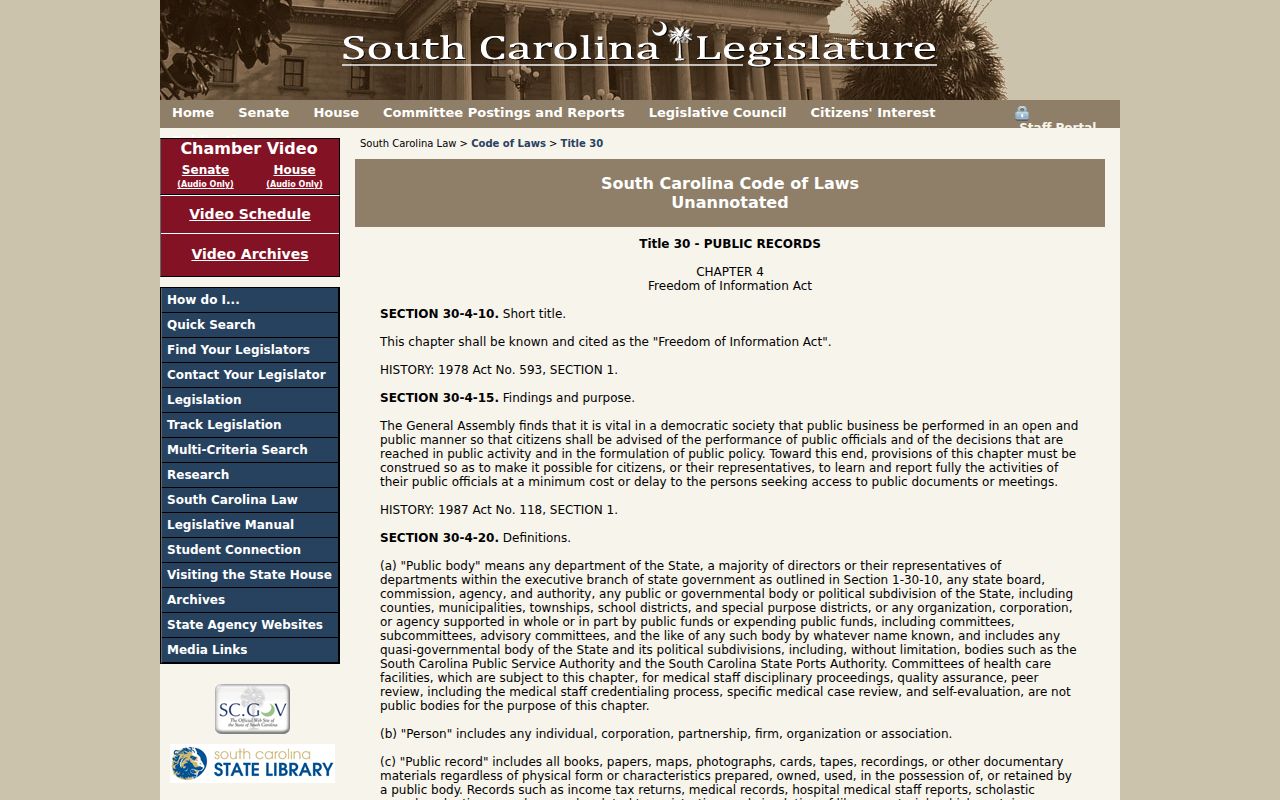
The statute view grounds a York request in the state access law while leaving city staff to apply exemptions to the actual record.
Key Statutes:
South Carolina Freedom of Information Act permits inspection and copying of nonexempt records and allows reasonable actual-cost fees.
S.C. Code §§23-3-115 and 23-3-120 govern SLED dissemination and criminal-data reporting.
S.C. Code §§17-22-910 through 17-22-950 establish statutory routes for expunging eligible matters.
York Criminal Records Through Time
York became the county seat in 1785 and is known as the White Rose City. The place was called Yorkville until the name shortened to York in 1915. Its police history includes a nineteenth-century officer who also tended street lamps, water equipment, and the fire engine for $30 per month. The first police uniform described by the city cost $15 in 1894. Such facts give historical and genealogy research a local frame that a modern database cannot supply.
Today’s record system is far more divided. Police reports remain with the city, municipal dockets remain with City Court, and county custody records sit at YCDC. The digital arrest-record change in 2025 is another point on that timeline. A search across old and new York records must account for changes in the city name, offices, format, and custodian.
York Expunged Record Limits
Not every York criminal record remains public. Juvenile records, expunged matters, protected victim information, and active investigative details can be restricted. South Carolina expungement removes an eligible charge or conviction and seals or destroys state records of arrest, charge, and conviction through the statutory process. Eligibility depends on the precise outcome and offense. A pardon is different and does not erase the conviction.
The official South Carolina expungement statutes define the authorized categories and process.
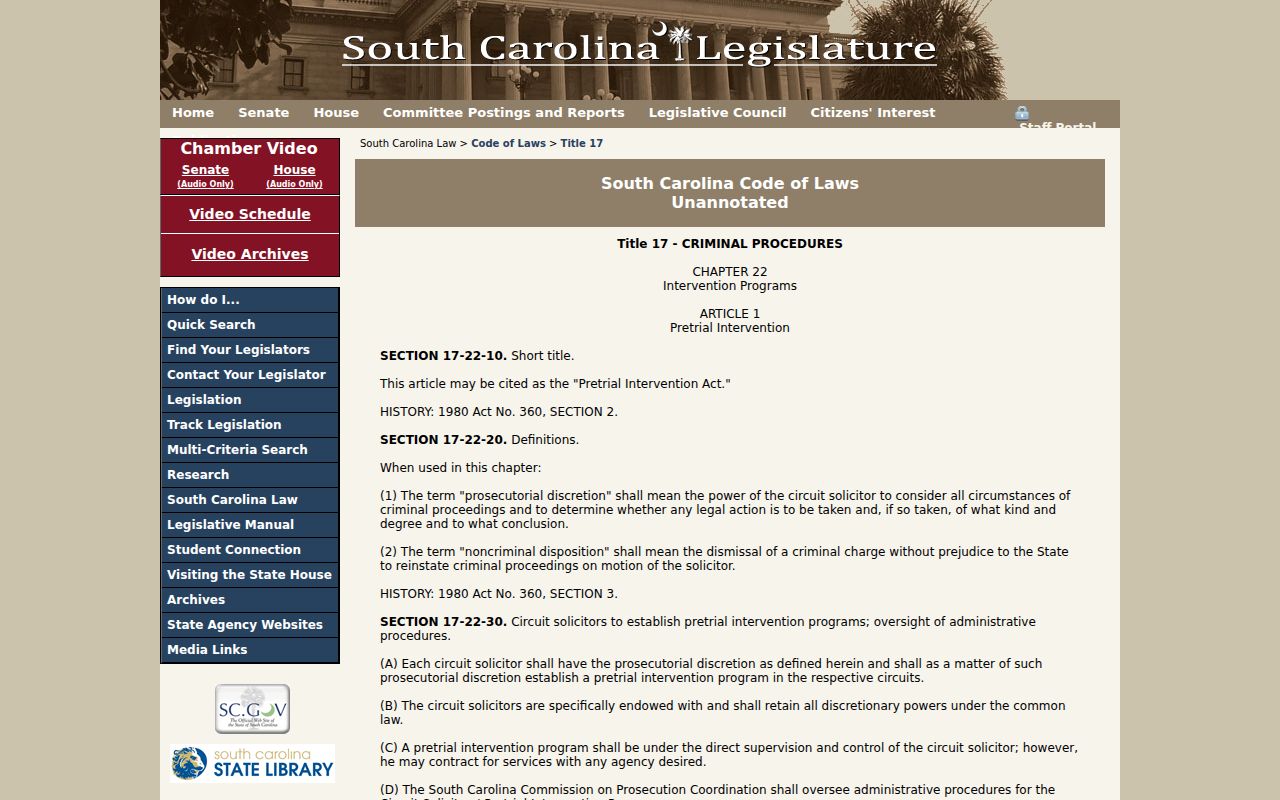
The statutory source helps a person separate a legal expungement route from an informal request to hide a York police or court record.
For a General Sessions matter from York, the Sixteenth Circuit Solicitor administers the application at the Moss Justice Center. Summary-court matters can follow a different path. After an order reaches SLED, the agency advises allowing four weeks before checking CATCH. If an entry remains, SLED provides a correction process using the certified order and a recent report.